


Malawi is a beautiful and welcoming country, known for its kind people and peaceful vibe. But for the over 57,000 people living in Dzaleka Refugee Camp – originally built for just 10,000 people – life is incredibly tough. The camp is overcrowded, under-resourced, and filled with people who once had stable lives but were forced to flee their countries in fear.
Many of Dzaleka’s residents come from the Democratic Republic of the Congo and Rwanda. Some were successful business owners, professionals, or creatives – people like Julia – a talented fashion designer from Congo. She once had a thriving shop with employees, a comfortable life, and dreams for her children’s future. Then, in the blink of an eye, everything was gone. Violence broke out, and her only option was to flee to survive.
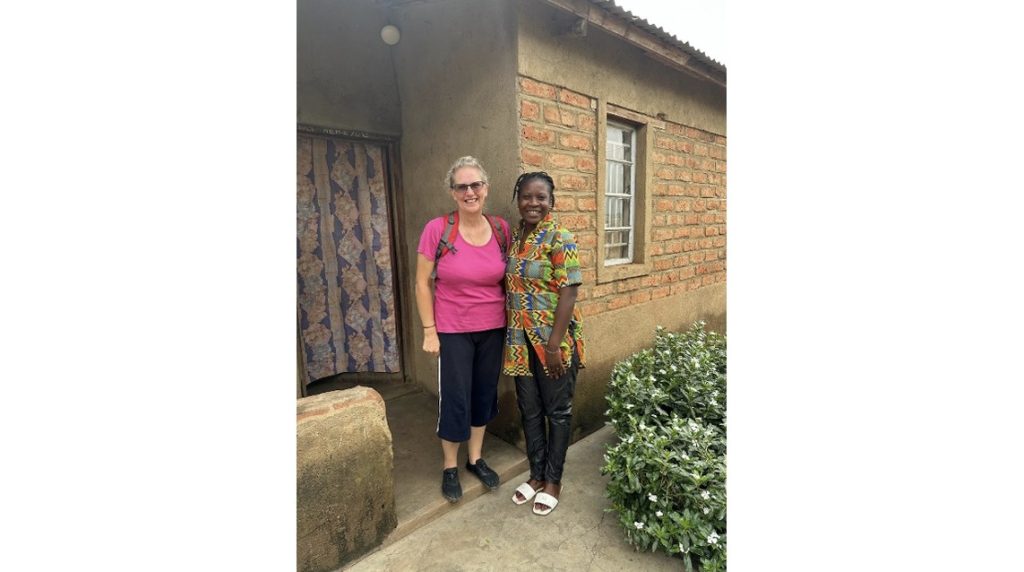
Julia and her family arrived to Dzaleka in 2016. Today, she shares a tiny workshop with another designer, doing her best to keep going. Business depends on the season. Right now, people are out in their fields harvesting what they can to sell, so there’s little money left over for new clothes. And yet, her spirit remains strong. She welcomed us into her home, proudly showing us her beautiful work, and told us how she’s trying to create a future out of very little.
Her designs are uniquely African – colourful, bold, and full of life. You can feel her passion in every stitch. She and her husband, along with their five children, live in a modest house built with help from a humanitarian aid group. But there’s a quiet worry in her eyes. They’ve been in Malawi for years, and the chances of being resettled somewhere else are growing smaller. She once hoped to start again in the U.S., but now she’s holding out hope that Canada will take them.
One of the hardest truths is that, even after years in Malawi, refugees cannot get citizenship. By law, they may qualify for “settlement status” after seven years, but in reality, this is rarely granted. Refugees are not allowed to leave the camp to work or live independently, even if they’ve been there for over a decade. They’re stuck in limbo, unable to go home, and unable to fully start over.
Daily Struggles
Life in Dzaleka is a constant fight for survival. There aren’t enough jobs, food, or medical supplies. Classrooms are overcrowded. People hustle however they can, selling handmade crafts, starting tiny shops, growing gardens, but it’s rarely enough. The camp was meant to be temporary. For many, it’s become their entire life.
Food is a major issue. Monthly rations from the World Food Programme (WFP) have been reduced, and families are often left hungry. Community gardens help, but there isn’t enough space or tools. Malnutrition is a growing concern, especially among children.
Pushing Through
Still, the people of Dzaleka are incredibly resilient. Women buy vegetables in bulk and sell them for small profits. Young people learn trades like tailoring, carpentry, and farming through local training programs. The camp may be isolated, but its people are full of innovation and heart.
Education is another small beacon of hope. Organizations are stepping in to support schools and offer vocational skills. Kids are eager to learn, knowing it might be their only chance to change their future.
Final Thoughts
Living and working in Malawi, the Dowa district of central Malawi right next to the biggest refugee camp of Rwandan and Congolese, has shown me the power of the human spirit. Dzaleka is filled with strong, talented people who have lost everything but refuse to give up. They don’t want handouts, they want opportunities. They deserve a chance to live, work, and thrive like anyone else. It’s time for the world to not just see them but stand with them.
Suzette Harrison, UK, October Team.