


In the Southern Region of Malawi, just outside Blantyre, sits a school that quietly demonstrates one of the most powerful truths in modern education: vocational training changes lives. At DAPP Mikolongwe Vocational School, this truth is not an abstract idea or a policy slogan. It is visible every day in the workshops, the fields, the classrooms, and the confident faces of young people who arrive uncertain about their future and leave with skills that can sustain them, their families, and their communities.
Across Malawi, youth unemployment remains one of the most pressing national challenges. Many young people complete secondary school without a clear path forward, and traditional academic routes often fail to connect learning with livelihood. Vocational education fills that gap. It offers something profoundly practical: the ability to do something – to build, repair, grow, create, design, or produce. And at Mikolongwe, that practicality is paired with purpose.
Co‑Principal Viano, who has spent years shaping the school’s approach, often explains vocational training in terms that go far beyond technical skills. “When a young person learns a trade,” he says, “they are not just learning how to work with their hands. They are learning how to solve problems, how to think creatively, and how to take responsibility for their own future.” His perspective reflects what we have seen repeatedly in our collaborative work: vocational education is not simply job preparation – it is identity formation.
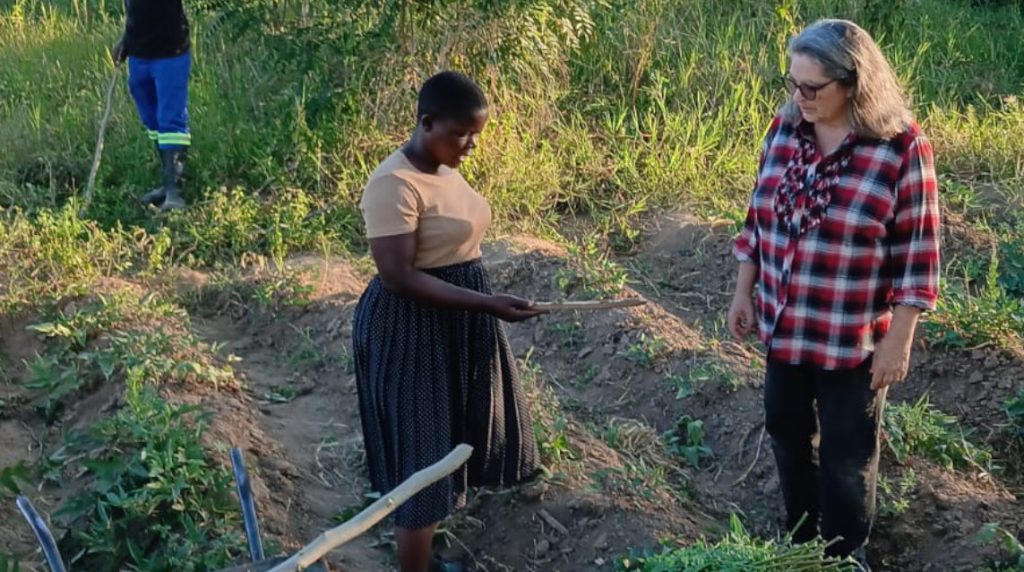
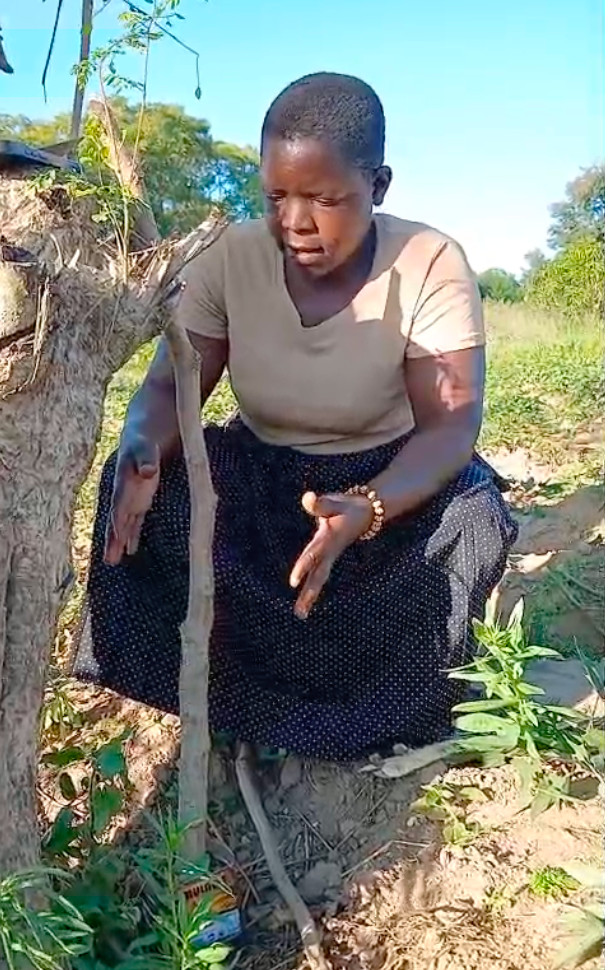
One of the clearest examples of this transformation is the school’s emerging student‑run, student‑led Moringa enterprise. What began as a simple agricultural idea has grown into a model of experiential learning. Students learn how to take cuttings from mature Moringa trees, how to propagate seedlings, how to prepare the soil, and how to care for young plants. Under the guidance of Agriculture Teacher Ayris, who appears in the documentary footage demonstrating each step, students gain not only agricultural knowledge but also confidence in their ability to produce something valuable.
The Moringa project is more than a crop. It is a living classroom where students practice entrepreneurship, teamwork, record‑keeping, marketing, and long‑term planning. It shows them that they can create opportunities rather than wait for them. It also demonstrates how vocational training can be aligned with Malawi’s broader development goals – nutrition, climate resilience, sustainable agriculture, and youth empowerment.
Head Principal Charles Salema often emphasizes that vocational education at Mikolongwe is not isolated from community needs. The school trains carpenters, tailors, mechanics, IT technicians, farmers, and entrepreneurs who return home with skills that immediately benefit their villages. A student who learns to repair a bicycle or maintain a borehole pump becomes a resource for an entire community. A young woman who learns tailoring can support herself and teach others. A group of students who launch a small agricultural enterprise can create local employment where none existed before.
This is why vocational training matters – not only in Malawi, but everywhere. It bridges the gap between education and opportunity. It gives young people the tools to build dignified, self‑reliant lives. And it strengthens communities from the inside out.
Mikolongwe Vocational School stands as a compelling example of what is possible when training is hands‑on, purpose‑driven, and connected to real economic needs. The students who walk through its gates are not just learning trades; they are learning to imagine themselves as contributors, innovators, and leaders.
In a world where many young people feel left behind, vocational education offers a path forward – one skill, one project, one transformed life at a time.
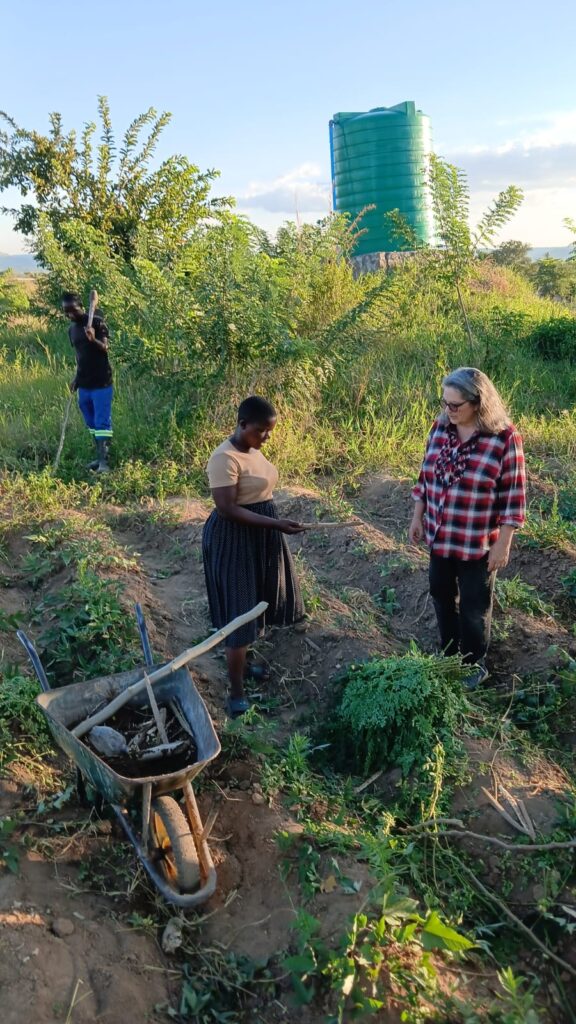
Kristin Johnson, USA, October Volunteer Abroad team 2025
She is giving lessons to the classes and supports the school in many areas where her competence can be well utilized.