


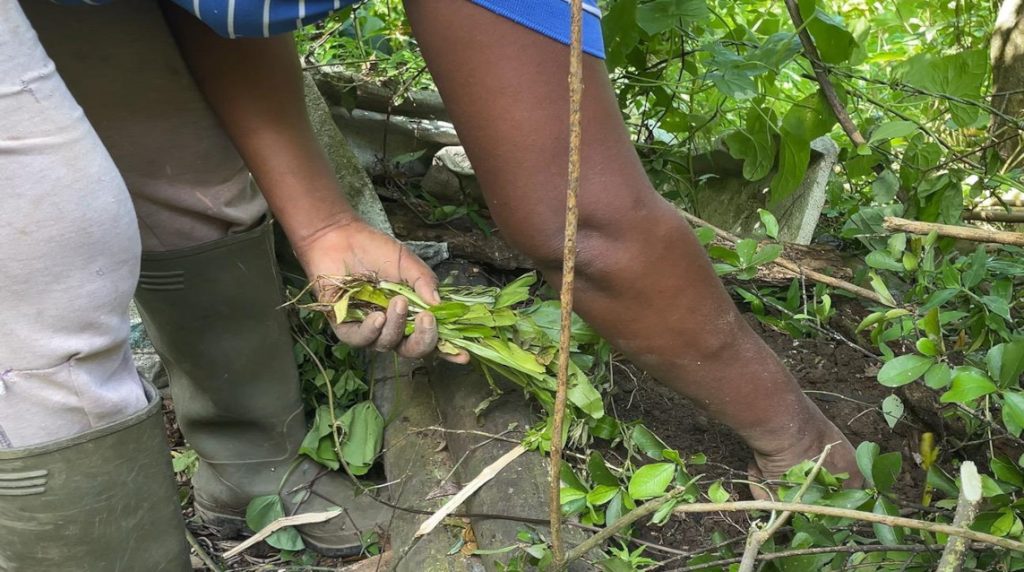
One of the best things we can do is to share knowledge, and hope that others share it too. Often, that is the simplest yet most powerful tool in development. The Home Garden Project, in my opinion, is one of the best initiatives the school has. It works on the principle that what the school has learned over the years – what the staff and students have successfully achieved after years of experimentation – is now being passed on to the community, so they can implement it in their own gardens.
Using permaculture and organic farming techniques can seem quite intimidating at first, but when we share our experiences, including the trials and errors, it becomes less daunting and more of a journey of wonder and curiosity. Using cardboard in the garden? Saving seeds? Chop and drop? Mulching? Composting? Lasagna beds?
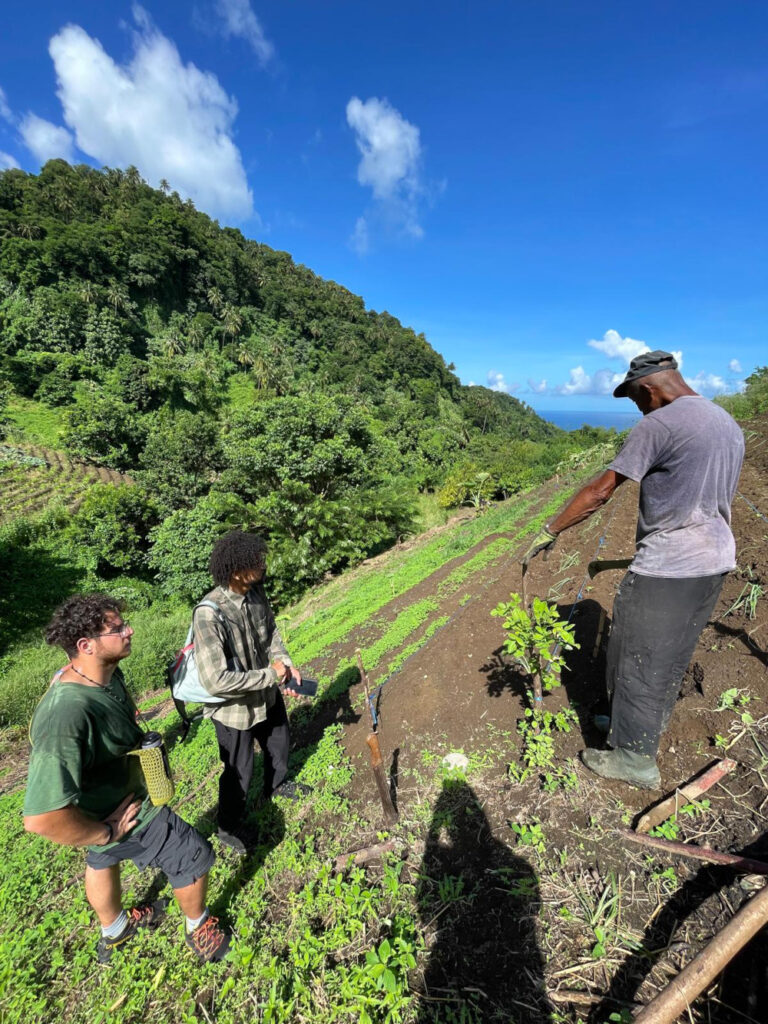
When we are able to explain how and why these techniques work, and show our own examples, people begin to realize that this is something they can actually try and apply in their own gardens. And if it works for one person in the community, and they are able to teach someone else, then we’ve started a chain that can continue to grow and unfold on its own for generations.
Home gardens not only help families produce their own food, but they also ensure that what they eat is healthy, organic, and free from toxic chemicals. These gardens create food security, encourage healthy habits, and can even provide an additional source of income for families by selling surplus produce.
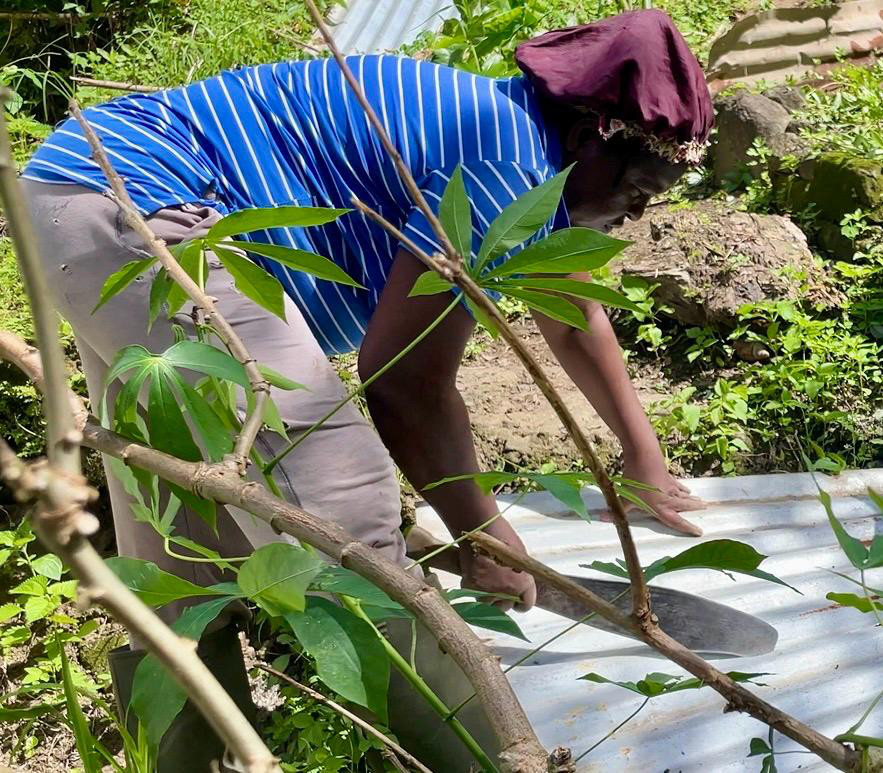
Planting healthy gardens that follow permaculture and organic farming principles across St. Vincent is not easy, but it’s a simple and powerful way to fight climate change locally. The healthier our gardens are, the healthier our soil will be. The more we plant, the less we have to worry about rain-caused soil erosion. The less we depend on supermarkets and processed foods, the less we need to import – and the less we contribute to polluting our planet.
Home gardens are incredibly valuable for many reasons. Meeting the home garden owners, being welcomed into their homes with homemade juice and cakes, and helping in their gardens was a humbling experience. The passion and joy they have while talking about their gardens, showing us what they grow, and explaining the techniques they use, is both inspiring and heartwarming. It is another important fight against climate change.
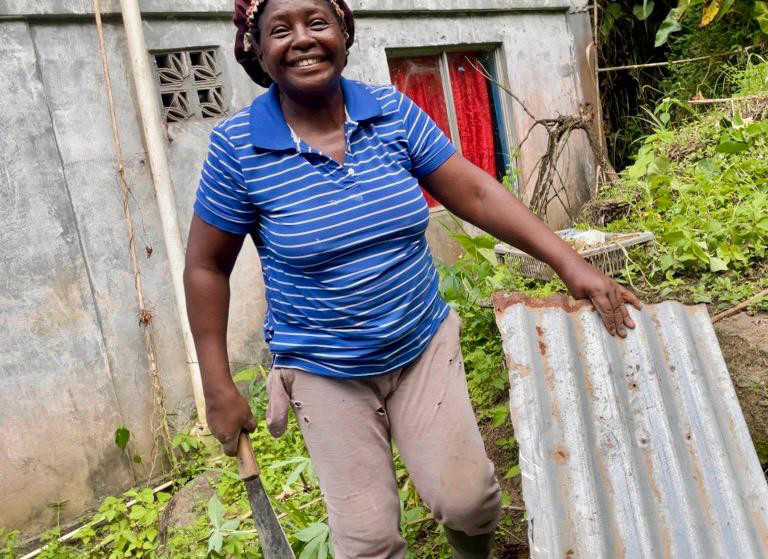
People who love nature and grow their own food in harmony with it — working with nature rather than against it — are making one of the greatest contributions to combating climate change. I am deeply grateful that I could spend a time working alongside Pat, Valeri, and Emris, and I hope they continue to share their knowledge and joy about their gardens with everyone who will listen.
Ivett Simicska, Climate Team 2025.