


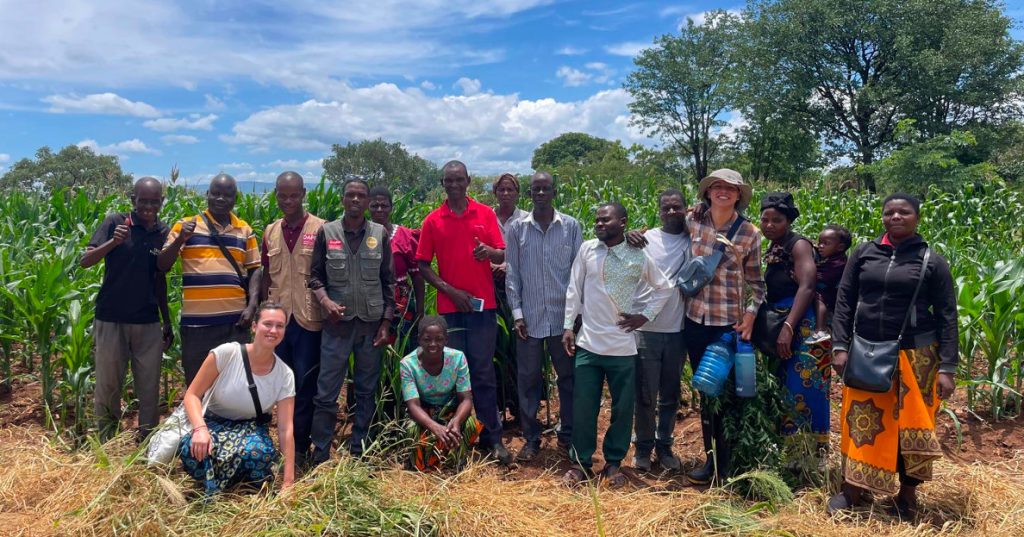
Since I started in the Volunteer Abroad Team at Richmond Vale Academy, I started to study the issue of Food Security, a topic that is currently mentioned a lot, as millions of people face hunger daily. So, I chose to work with the project of DAPP Malawi called “Farmers Club”. I had the idea about the project that the farmers clubs already implemented a system that guarantees a variety of food and vegetables.
However, when I came here, I faced a different reality. The majority of the clubs plant maize on their entire field, so actually monoculture, so when harvesting they only have maize to conserve, eat and sell. It is understandable because maize is the staple food here. At each meal people eat Nsima, a porridge made of maize, so they prioritize maize planting. But as a human being we all have the necessity of many other vegetables, fruits and nutrients.
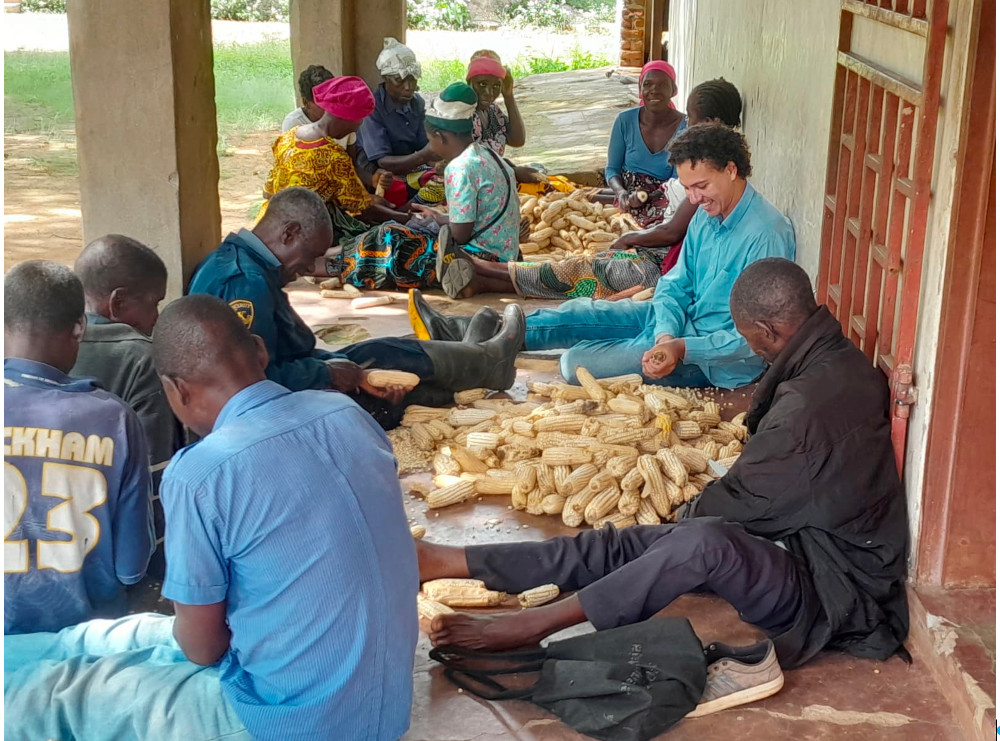
Because of this kind of agriculture -monoculture – every year they have a lot of problems in the maize fields. There are diseases that damage the entire plant. A common one is the army worm that eats the maize and the leaves. Because of this planting culture they need to use a lot of chemicals to support the crops and harvest food in the end. Chemicals such as pesticides (Emaben, Emamectin Benzoate), and fertilizers like NPK, Urea etc.
So, one of my activities here is to support another kind of agriculture, one where you can have different varieties of plants that support each other, grow strong together and repel diseases. It is about using natural techniques to mitigate the damage caused by climate change and to rebuild the poor soil.
In my opinion, this is the only way to ensure food security. We need to first look at the soil and the environment that provides the food for us. We need to nourish and take good care of the soil. The majority of the farmers here were taught that an agriculture with chemicals is the only one possible, so a mindset change is most necessary.
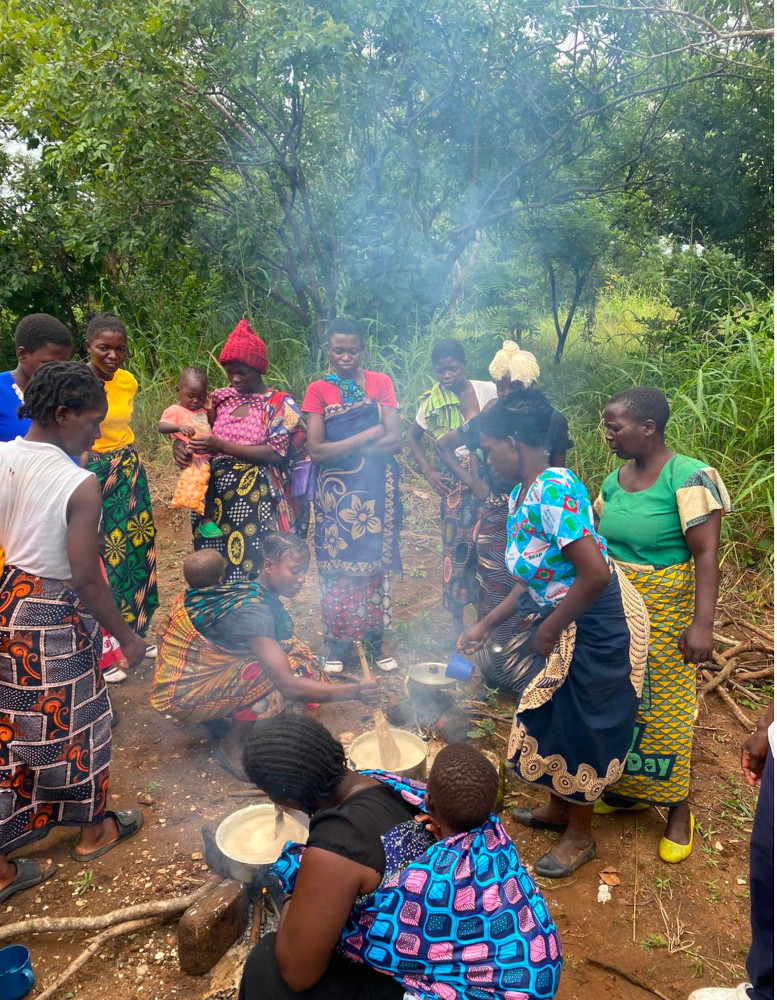
Land is not a problem here, because the majority of the people have land to cultivate. And what Development Aid from People to People Malawi (DAPP), is doing in my opinion is revolutionary. They unite the people to cultivate food together and to share it. The people in the Farmers Clubs rent the land together and constitute clubs. Also, these clubs have a common economy together, where in a specific period of the year they do something called “seco” where they can share the money with each member of the club, and with this money they can do what they need and want, including buying things to make agriculture possible.
I talked with Douglas, who is the chair of Chincondani club. He mentioned that they received the project so well and they expect to have more profit with the new techniques and project interventions. To him climate change and the pest in the field are serious obstacles, and that they need help from the project to overcome this situation. Also, Douglas is recording millimeters of each and every rainfall, and he affirms that year by year they have less rain and the environment is changing.
What I want to accomplish
My expectations to accomplish during these 6 months of project is to bring to the clubs the knowledge about sustainable agriculture. This includes agroforestry and permaculture techniques, which is some of the knowledge that I learned at Richmond Vale Academy. I expect that they can understand and also experience that another kind of agriculture is possible, and that working with the nature is the best option. I want to make sure they get the knowledge that with sustainable practices they can continue harvesting a lot of food and now with more variety, and with these techniques they can move away from harmful fertilizers and have better crops and better health.
Carlos Henrique Lima, Brazil, October Africa Team 2025