


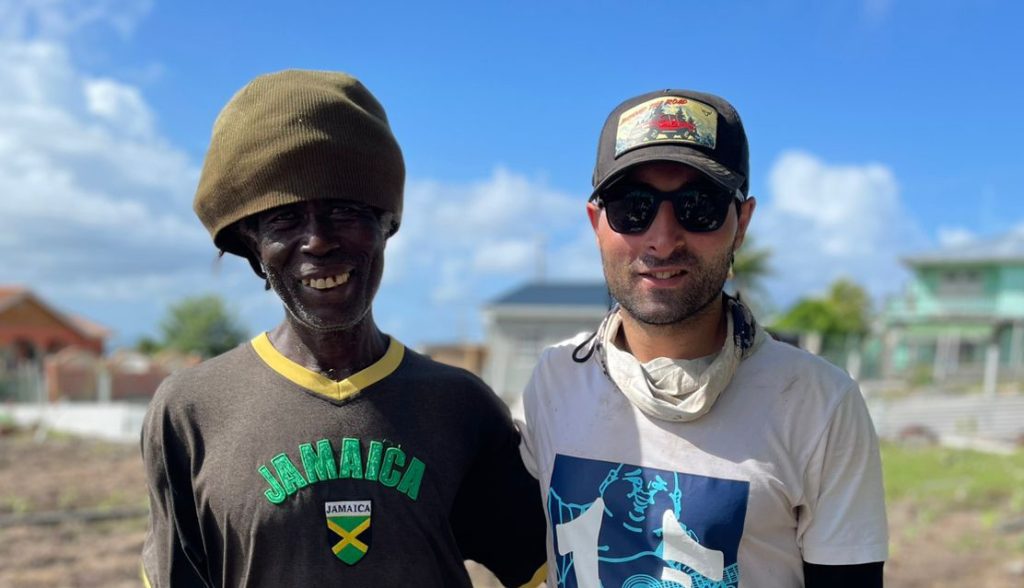
Arriving recently on Union Island, I’ve started to see firsthand what it means to build climate resilience in vulnerable communities. As the newest participant from Richmond Vale Academy (RVA), I’ve joined a committed team continuing the work of those who came before us, working side by side with local families to grow food, share knowledge, and take real action in the face of climate change.
During my time on the island, I have met many inspiring home gardeners. Some of them are growing food mainly for their families, finding joy and peace in working the soil after their daily jobs. Others are still rebuilding their gardens after Hurricane Beryl, trying to restore what was lost while keeping hope alive. I have seen gardens that once were damaged by strong winds now full of green life and I heard stories of people who lost their beehives but are determined to start anew. In each garden, there is a strong sense of pride and care. Working together side by side, we share stories, laughter, and lessons that go beyond farming. These experiences have helped me feel closer to the community and understand how resilience grows from both the land and the people.
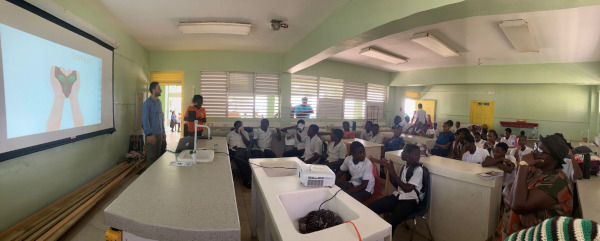
I also had the opportunity to give a presentation about composting at the secondary school in Ashton. The students’ curiosity and enthusiasm reminded me how education can inspire young people to protect their environment and take action in their own communities.
What truly stands out is the spirit of solidarity. People from different cultures, backgrounds, and professions come together to live, learn, and work toward a shared goal. It’s a model of cooperation – proving that real change comes not from experts alone, but from collective action and mutual support.
As someone who just arrived on Union Island, I’m proud to be part of this journey. We’re building gardens not just with tools and soil, but with trust, teamwork, and shared purpose. I’ve seen how small steps can create big change. And through this work, I’ve come to believe even more strongly that a sustainable future is possible when people come together.
What makes RVA unique is its focus on turning learning into doing. The program immerses participants in key areas like ecological farming, renewable energy, water conservation, and
waste management. Every activity asks: How can this help a community not just adapt, but thrive in a changing climate?
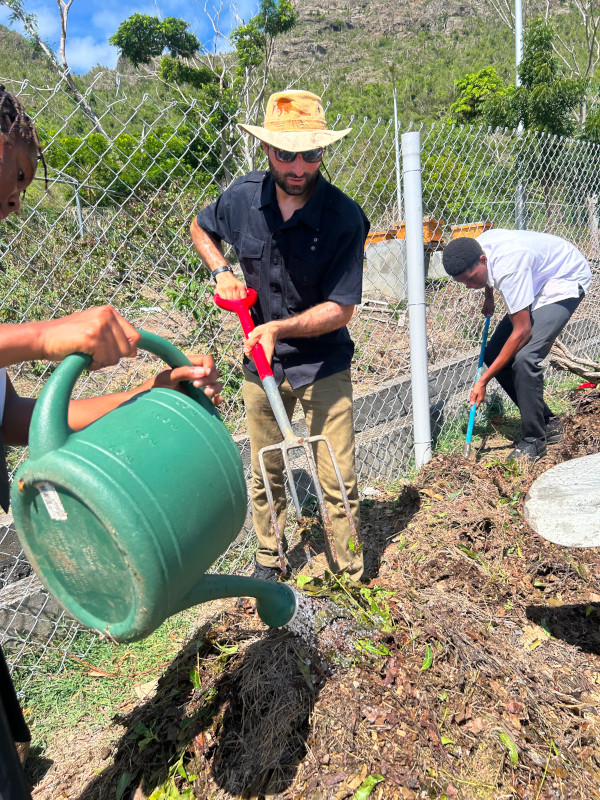
One major focus is sustainable food production. Volunteers and locals create home gardens using Permaculture techniques, enabling families to grow their own vegetables and fruits without harmful chemicals. These gardens improve nutrition, reduce dependency on imports, and support food sovereignty – empowering people to take control of their own food systems.
Water is another critical area, especially on small islands with limited freshwater. Volunteers help install and maintain rainwater harvesting systems, teaching simple but vital methods for
conserving and managing water. These solutions are practical, low-cost, and essential in areas prone to drought or unpredictable rainfall.
Participants also support the construction of climate-resilient infrastructure, rebuilding fences around gardens, setting up composting systems, and applying low-tech solutions to enrich the soil and manage pests. These projects directly improve local food security and help families recover from climate-related disasters like storms or floods.
Education and outreach are core parts of the program. Workshops and school visits raise awareness about climate issues and sustainable practices. Whether it’s teaching kids to compost or
discussing organic farming with local growers, these moments build lasting connections and knowledge within the community.
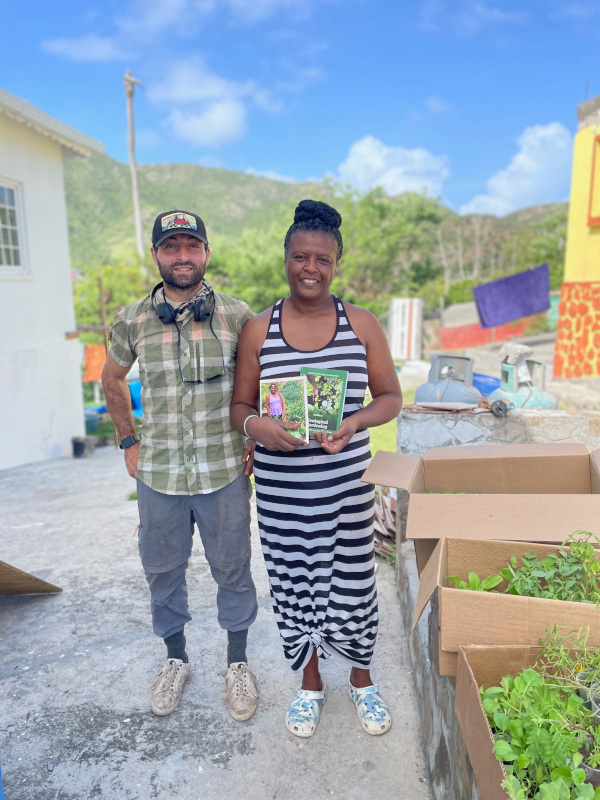
The Climate Compliance Program is more than just a course; it’s a call to action. It equips participants with practical skills and a deeper understanding of how local solutions can contribute to
global climate goals. Real impact begins with one garden, one water tank, one person at a time.
Tornik Aghajanyan, Armenia, August Climate Team.