


As we all know, education is foundational for all development – whether it is educating all people to read and write or to train carpenters, farmers and teachers.
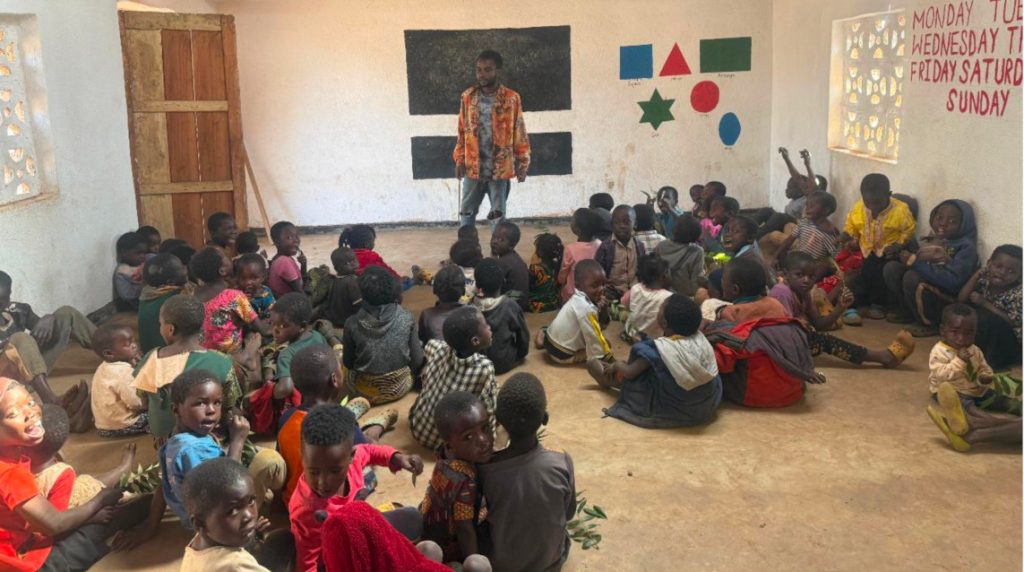
Classrooms not only lack electricity, but many classrooms are without chairs and desks. During the cold months in Malawi, the temperature can drop drastically. Schools and classrooms without electricity, means a classroom without heat. This element can negatively impact the academic performance of a child.
As the students from the Teacher Training College prepared for a recent primary school visit, one of the instructors from the college informed them that they should be prepared to sit on the floor…
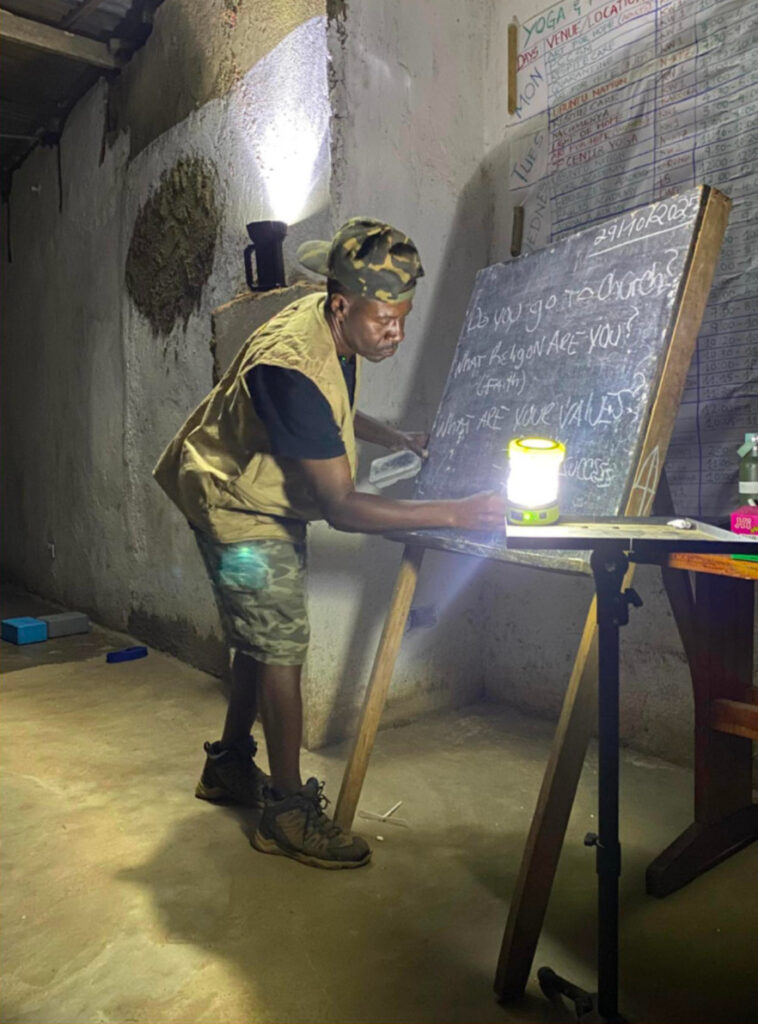
I saw a recent interview online, which stated that there are about 600 million people on the continent of Africa, that live without access to electricity. I can confirm this as a fact, for many residents living in rural Malawi. A life without electricity means that, pre-school- and primary- or secondary school students living in rural households must study by candlelight or if lucky, they can use the mini solar powered panels that can be found in most markets around the countryside.
Is it possible to improve the quality of education with limited resources? The answer is Yes! Life without the basic necessities has fueled the residents of Malawi with a resilience and commitment to learning, that is impressive and inspiring. A substantial change can only be accomplished through collective action, involving the resources and manpower with people from countries outside of Africa.
We are living in a time where many countries in Africa have taken a stand to proclaim their sovereignty, to become less dependent on countries outside of Africa. Considering this fact, there is a need to send volunteers to rural Africa to assist with development projects, to improve basic conditions for the many.
Our activities
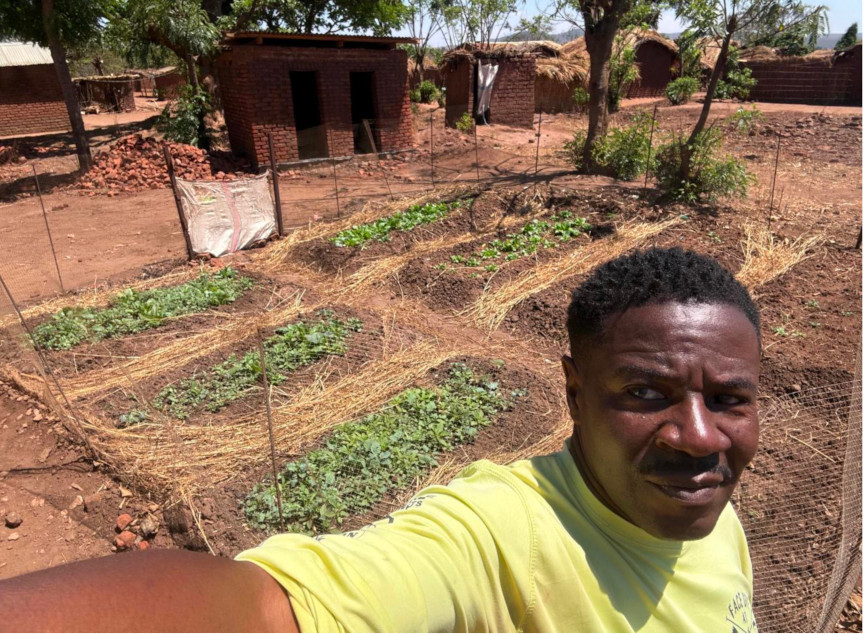
- We were part of establishing vegetable gardens at the rural Preschools, for children from 3-6 years of age. The vision is to produce enough vegetables so the children can have a nutritious meal every day, served in the preschool.
- Our group prepared and implemented a weekend teacher training session for the Caregivers, who teach in the preschools
- We also gave courses to the student-teachers at the Teacher Training College, for example:
- The urgency of education
- How to fundraise
- How to seek employmen
- How to create videos and take photo
- Implement cultural evenings two times a month
- Weekly Sports training with students and teachers
- We also gave training in the nearby communities, according to the needs. Some examples were:
- English as a foreign language
- Basic health and wellness
- Life skills and advocacy
Are you ready?
So, people around the world, I encourage you. In Malawi, children and educators are calling on you to soften your heart and make a commitment to answer the call to improve the quality of education in rural Malawi. The famous quote still rings true “Oppression or disconnection for one continent unfortunately means oppression and disconnection for us all”.
Our team volunteered in Malawi for 6 months, and there is just so much more to do, so you are hereby invited to follow in my footsteps.
James Edwards, USA, Volunteer in Malawi, April Africa Team 2025.
Worked to improve the educational infrastructure of 6 preschools in rural Malawi and worked with students and staff at “Development Aid from People-to-People Malawi’s” Teacher Training College in Dowa, Malawi.
Your skills, your energy, your time, could also help build stronger classrooms and brighter futures.
Join the Community Volunteer Abroad program at Richmond Vale Academy and become part of a dedicated team working to strengthen education and community development in rural Africa.
Train alongside an international group, gain practical skills, and spend six months creating real impact on the ground.
Take the next step toward meaningful change – learn more and apply today